Source Open Frame Solenoid Electromagnet for Industrial Valves, Automation, and Emptying Systems
Source open frame solenoid electromagnet variants for industrial valves, automation, and emptying systems. Compare 30 models with direct-acting or pilot-operated structures, stainless steel or cast iron materials, and AC solenoid or DC voltage options to find the right fit for your application.
Key considerations
Products List


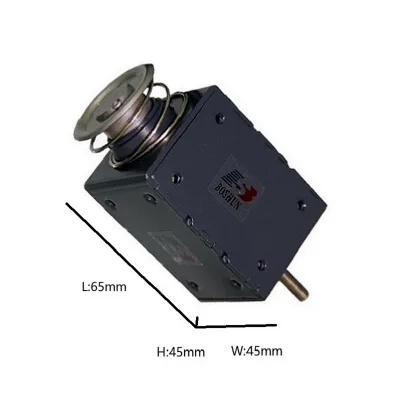
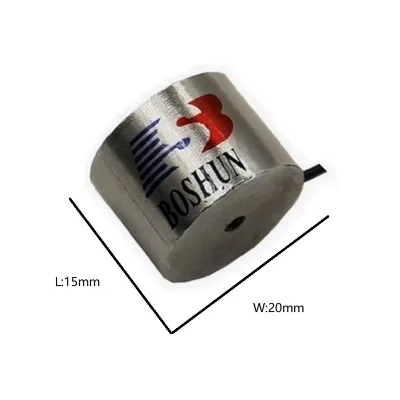
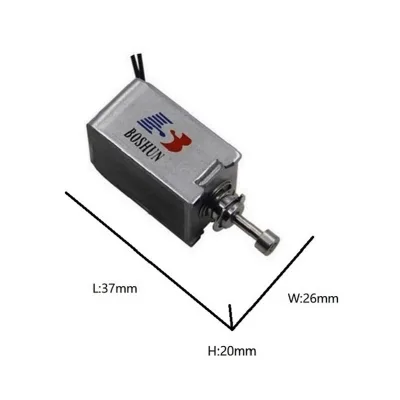
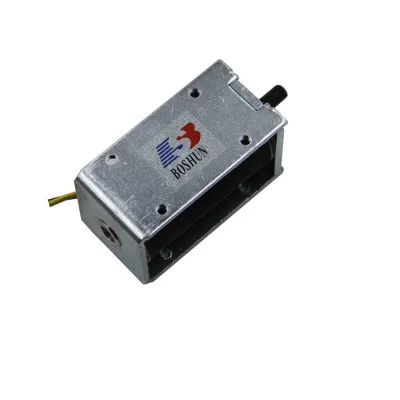
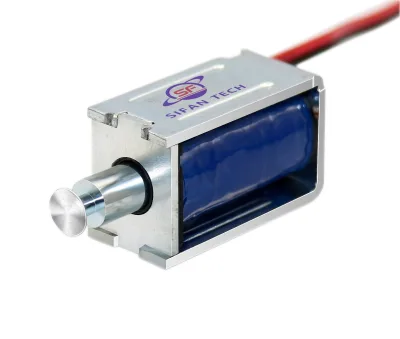
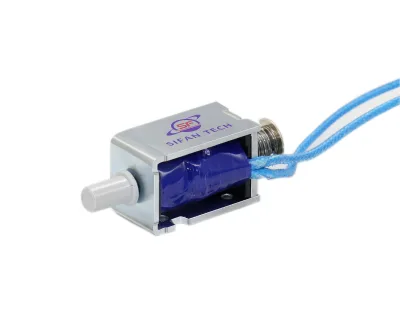
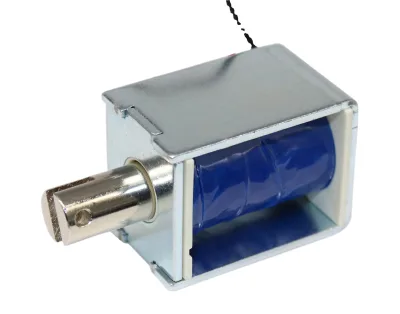
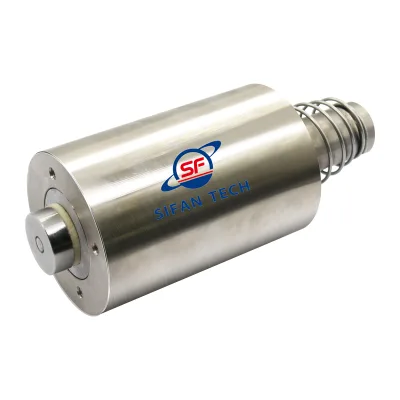


Comprehensive Sourcing Guide
Open Frame Solenoid Electromagnet Sourcing Guide
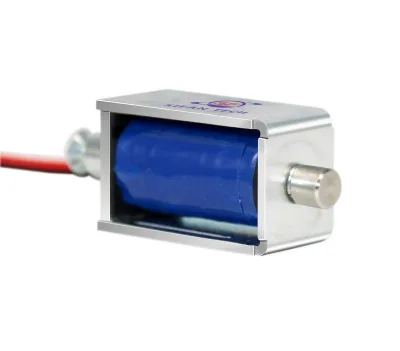
Sourcing open frame solenoid electromagnets requires a precise understanding of the specific mechanical and electrical constraints inherent to direct-acting and pilot-operated valve structures. Buyers must distinguish between products designed for gas media handling and those intended for general industrial usage, as the internal architecture—ranging from direct-acting piston structures to direct action diaphragm structures—dictates the operational limits and compatibility with specific fluid dynamics. The open frame design, often characterized by specific frame dimensions such as a length of 64 mm and a width of 38.2 mm, offers distinct advantages in space-constrained assemblies but demands rigorous verification of stroke force and mounting compatibility to ensure seamless integration into existing machinery.
The procurement landscape for these components reveals a wide variance in customization capabilities and power supply requirements, necessitating a clear definition of the application environment before engaging with suppliers. While some listings indicate a standard AC solenoid valve configuration, others support a broad voltage range including 6VDC, 12VDC, and 24VDC, which directly influences the control system design and power management strategy. Buyers should carefully evaluate the duty cycle specifications, noting that some units are rated for continuous operation up to 100%, while others are optimized for intermittent cycles such as 30% ED, ensuring the selected component can withstand the thermal and mechanical stress of the intended operational profile without premature failure.
Product Scope and Observed Listing Signals
The observed market for open frame solenoid electromagnets includes a diverse array of models, such as the DSN-0626 and U1564, which serve different industrial functions ranging from emptying applications to general frame solenoid descriptions. The material composition is a critical differentiator, with listings showing both stainless steel and cast iron options, each offering distinct trade-offs between corrosion resistance and cost-effectiveness for specific environmental conditions. Stainless steel variants are typically preferred for applications involving gas media or where hygiene and chemical resistance are paramount, whereas cast iron models may be suitable for lower-cost, high-volume industrial usage where exposure to corrosive elements is minimal.
Listing signals also highlight significant variations in packaging and logistical parameters, with options ranging from sea freight packaging to carton packaging, reflecting the varying fragility and shipping requirements of the units. The observed minimum order quantities (MOQ) span from a single piece to 10,000 units, indicating that suppliers cater to both prototyping needs and large-scale production runs. Buyers must pay close attention to the specific model numbers and their associated physical attributes, such as the single package size of 7.8x5.6x5.6 cm or the single gross weight of 1.280 kg, as these details impact inventory planning, storage requirements, and overall logistics costs for the procurement cycle.
Technical Specifications to Verify
Verification of the electrical and mechanical performance parameters is essential to ensure the solenoid electromagnet meets the operational demands of the target application. Key specifications to validate include the insulation resistance, which should be tested at DC500V to confirm values of at least 50MΩ or 100MΩ depending on the specific unit, and the dielectric strength, typically rated at AC700V for 50/60Hz over a one-second duration. These electrical tests are critical for preventing short circuits and ensuring safety in high-voltage environments, while the stroke force, often cited as 22N±3N at a 10mm stroke or a minimum of 2.4KG, must be confirmed to guarantee the actuator can reliably move the intended load or valve mechanism.
Thermal and environmental operating ranges must also be rigorously checked against the specific conditions of the installation site. The temperature range for many units is specified as -20℃ to +65℃, with relative humidity limits typically between 5% and 95% RH, though some variants may have stricter constraints such as -20℃ to +45℃ with 5% to 60% RH. Buyers should verify the duty cycle ratings, distinguishing between units capable of 10-100% operation and those limited to 30% ED with specific on-off timing ratios, as exceeding these limits can lead to coil burnout. Additionally, the biometry rating, often cited as 2 million times, provides a baseline for expected lifespan, but actual service life will depend heavily on the frequency of actuation and the environmental stressors present in the application.
Compliance and Safety Documentation
While specific certification statuses like CE, ROHS, and REACH are often mentioned in the broader industry context, buyers must request explicit, verifiable documentation from the supplier rather than relying on general market assumptions. The absence of guaranteed certification data in the provided facts necessitates a proactive approach where the procurement team demands current test reports and compliance certificates that align with the destination market's regulatory requirements. This is particularly important for industrial usage applications where safety standards are stringent, and the failure to provide valid documentation can result in legal liabilities or the rejection of the shipment by customs authorities.
Safety documentation should also include detailed technical data sheets that outline the electrical ratings, pressure limits, and temperature tolerances of the specific model being purchased. For instance, verifying that the pressure rating aligns with the system's ordinary pressure requirements and that the connection form, whether clamp or thread, matches the existing piping infrastructure is a fundamental safety check. Buyers should ensure that the supplier provides clear instructions for installation and maintenance, including torque specifications for threaded connections and guidelines for handling the open frame structure to prevent mechanical damage during assembly.
Cost Drivers and Commercial Terms
The cost of open frame solenoid electromagnets is heavily influenced by the level of customization required, with many suppliers offering customized products and wattage options that can significantly alter the final price. The choice of material, such as stainless steel versus cast iron, represents a primary cost driver, as does the complexity of the valve structure, whether it is a direct-acting piston or a diaphragm structure. Buyers should anticipate that higher performance specifications, such as extended temperature ranges or increased stroke force, will command a premium, and the MOQ of 1 PCS allows for flexible purchasing but may result in higher unit costs compared to bulk orders.
Commercial terms regarding lead times and shipping methods must be clearly defined to avoid supply chain disruptions. The observed origin of these products is primarily China, with specific manufacturing hubs in Guangdong, which can impact lead times and shipping costs depending on the buyer's location. Packaging options, ranging from sea freight to carton packaging, also play a role in the total landed cost, as specialized packaging may be required to protect the delicate internal components during transit. Buyers should negotiate terms that account for potential fluctuations in raw material costs and currency exchange rates, especially when dealing with customized orders that may have longer production cycles.
Supplier Qualification and Quality Control
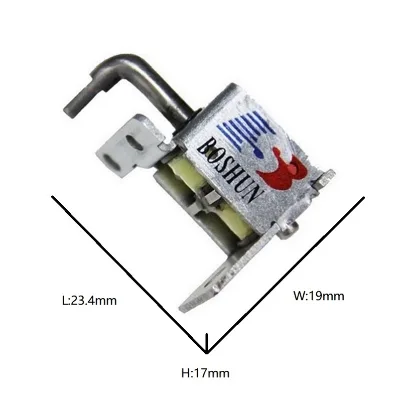
Evaluating supplier qualification involves a thorough review of their manufacturing capabilities and quality control processes, particularly for components that require precise engineering tolerances. Buyers should verify the supplier's ability to produce customized products and their track record in meeting specific model requirements, such as the BS-2065 or other frame solenoid models. The presence of a brand name like BOSHUN suggests a level of established manufacturing, but independent verification of their production facilities and quality assurance protocols is essential to ensure consistency and reliability in the supply of these electromagnets.
Quality control measures should include rigorous testing of the electrical and mechanical properties of each batch, with a focus on insulation resistance, dielectric strength, and stroke force consistency. Suppliers should be able to provide evidence of their testing procedures, including the use of calibrated equipment to verify parameters such as the 22N±3N force at 10mm stroke or the 2 million times biometry rating. Buyers should also assess the supplier's ability to handle defects and their policies for returns or replacements, ensuring that any non-conforming products are identified and addressed promptly to minimize downtime in the buyer's production line.
Long-Term Procurement Checks
Establishing a long-term procurement strategy for open frame solenoid electromagnets requires a focus on supply chain resilience and the ability to adapt to changing technical requirements. Buyers should maintain regular communication with suppliers to stay informed about updates in product specifications, such as changes in voltage ratings or material compositions, and ensure that the supply chain can scale to meet increasing demand without compromising quality. The ability to source customized products with specific wattage or force requirements is a key advantage, but it requires a robust relationship with the supplier to manage the complexities of custom manufacturing and ensure timely delivery.
Continuous monitoring of product performance in the field is essential for identifying any potential issues that may arise over time, such as wear and tear or environmental degradation. Buyers should implement a system for tracking the lifespan of the electromagnets, comparing actual performance against the rated biometry and duty cycle specifications to identify any deviations that may indicate a need for design changes or supplier adjustments. By maintaining a proactive approach to quality management and supplier engagement, buyers can ensure the long-term reliability and efficiency of their industrial systems, minimizing the risk of unexpected failures and costly downtime.
FAQs
What is the valve structure of the DSN-0626 model?
The DSN-0626 model features a direct-acting piston structure designed for industrial gas applications. This configuration ensures reliable operation under ordinary temperature conditions while maintaining a compact form factor suitable for various mounting requirements.
Can the solenoid electromagnet be customized for specific needs?
Yes, customized products are available to meet unique industrial usage requirements. Buyers can request specific wattage, voltage, or force adjustments, ensuring the component fits precise operational parameters without compromising performance or durability.
Which materials are used in the construction of these valves?
These valves are constructed from stainless steel and cast iron to ensure durability. The material selection supports operation in both low and high-temperature environments while providing resistance against corrosion and mechanical stress during continuous industrial cycles.
How is the product packed for sea shipment?
The product is packed using sea packaging methods to ensure safe transit. Some variants utilize carton packaging, with single package sizes measuring approximately 7.8 by 5.6 by 5.6 cm and a gross weight of 1.280 kg per item.
What is the duty cycle for the BOSHUN brand electromagnet?
The duty cycle ranges from 10 to 100 percent depending on the specific configuration. Certain models operate at 30 percent ED with an on-to-off ratio of 0.2 seconds to 0.4 seconds, ensuring longevity and thermal stability.
What voltage options are available for the solenoid valve?
Available voltage options include 6VDC, 12VDC, and 24VDC to suit diverse power supply systems. These electric solenoid valves are designed for AC power supply compatibility, offering flexibility for various industrial control applications and integration needs.
Which connection forms are supported for this valve type?
The valve supports both clamp and thread connection forms for versatile installation. This flexibility allows integration into different piping systems, accommodating various industrial setups while maintaining a pilot-operated or direct-acting structure as required.
What is the insulation resistance rating for the electromagnet?
The insulation resistance is rated at DC500V with a minimum of 50 to 100 megaohms. This ensures electrical safety and reliability, preventing leakage currents and maintaining performance under standard operating conditions within the specified temperature range.